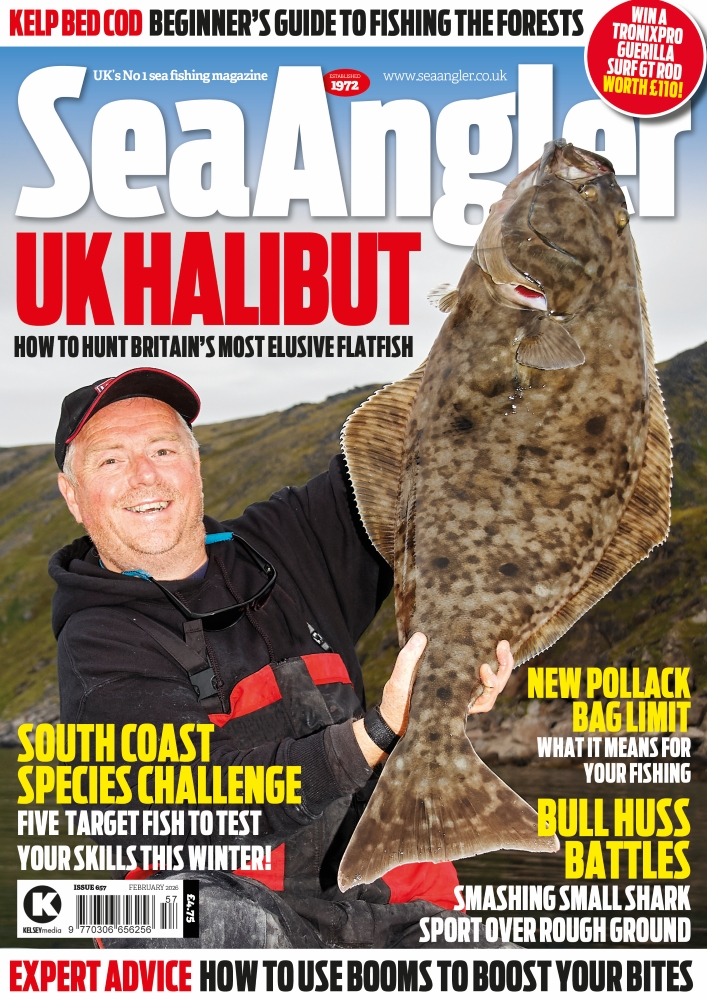

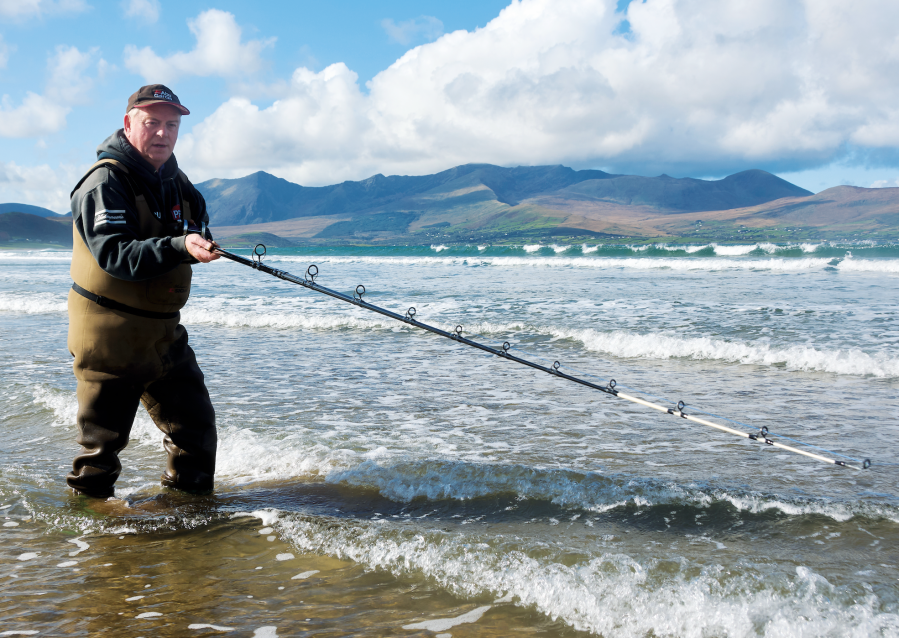
Mike Thrussell explains how to miss fewer bites and give your hook-ups the edge you need to boost your catches
The more experienced anglers will tell you that at least 30 per cent of initial bites you’ll never even see. This is due to visual and physical deficiencies in the energy transfer of a bite between the baited hook length, rig, line and rod tip. What can we do to improve bite detection and make bites more visible?
VISUALS
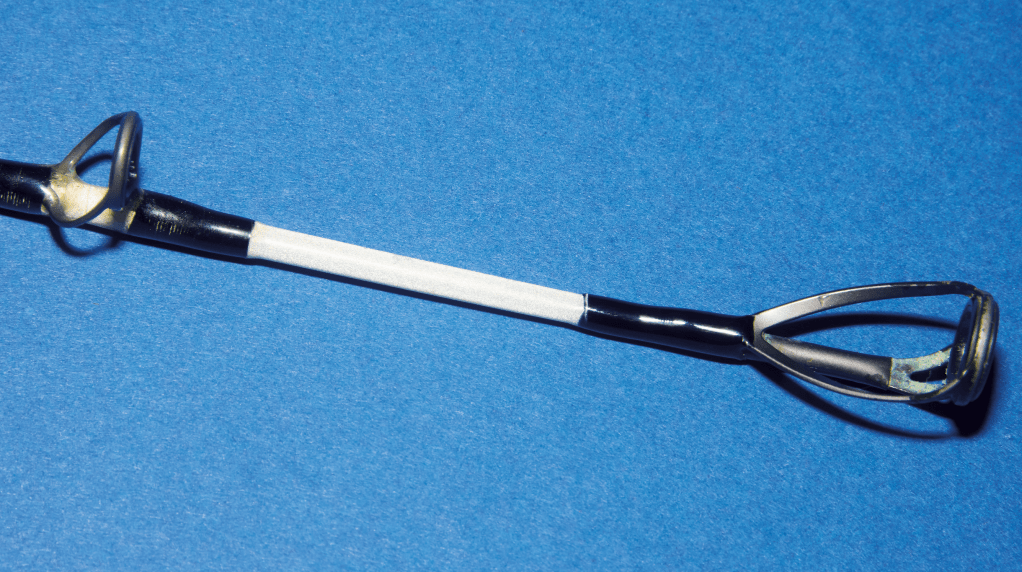
Some rods come with a short length of white paint on the rod tip, intended to stand out at night or against dark overcast skies. More expensive rods likely come with nothing. Paint is useless! It’s simply too short and non-reflective, so it can’t be seen from a few feet away at night in rain and salt mist.
Go into a car accessory shop or search online for automotive reflective tape. It usually comes in white, yellow, and red. White is best; yellow is okay. It reflects a tiny bit of light straight back at you, so you can see your rod tips from 30 yards or more away in daylight or at night in your headlamp beam. Apply the reflective tape from the rod tip downwards for a distance of around 24 inches (60 cm). It looks neat if you use a cut length, not spiral-wrapped, and place it in the whipping gaps between the upper intermediate rings. It’s wide enough to lap over itself when applied. Make sure the tip section is clean and dry for the tape to grip, and it will last for years.
PHYSICAL SIGNS
If you’re targeting fish no more than 50 yards from shore, a simple one- or two-hook sliding ledger rig is far more sensitive than conventional two- or three-hook rigs. The hook length, leader and main line are all directly connected and free-running, so any movement at the hook end is instantly transmitted through the hook length, leader and line, and signals on the rod tip.
When using two- and three-hook paternoster rigs at close range in calm seas, bites show up better if there is a little bow of slack line between the rod tip and the rig. Smaller species may not rattle the rod tip in these conditions, but as they take the bait and gently move away, the bow in the line lifts and is visually obvious from normal, natural movement. Having the rod tip at a low angle and parallel to the waves also helps. At medium to long range, the opposite is best, with a tight line to the lead helping shy bites show up better as trembles or light rattles. At long range, when targeting bigger fish like bass or rays, a pulley rig gives the best indication. As the hook length is pulled through the pulley rig’s bead or swivel, the fish’s movement applies pressure to the rig body line, and therefore the leader and main line, increasing visual detection at the rod tip. A split second later, the fish comes up against the weight of the lead, which sees the rod tip hammer over. You really can’t miss seeing these bites if vigilant.
The choice between braid and mono line gets a lot of attention, but it’s a vital cog in the wheel of bite detection and bears repeating. For short-range fishing, mono is fine, as the stretch is minimised. Once you creep beyond 50 yards’ casting range, the advantage of braid becomes more noticeable. Mono will not only stretch but also sag in the water over its length due to its weight. This slack and stretch need to be taken up by the fish before the rod tip responds. Braid has next to no stretch and is thinner in diameter and lighter than corresponding mono, making it easy to maintain a tight line from rig to rod tip, dramatically increasing rod tip indication. For serious bite detection and at longer range, braid is unbeatable!
ROD POSITION
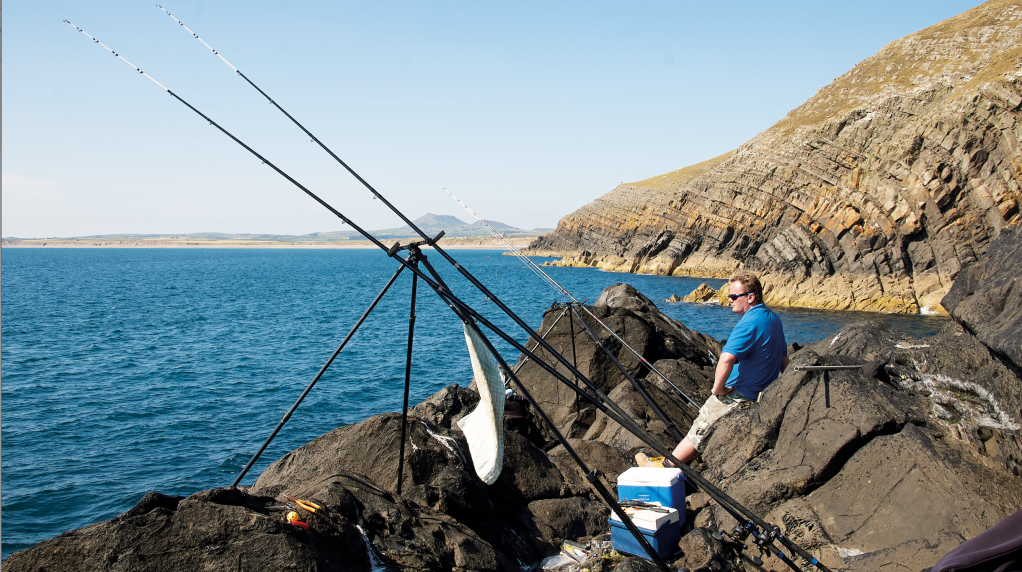
Your rod rest and rod position also influences bite detection. For close range fishing as indicated, have the rod rest sideways on to the waves and the rod rest head as low as you can get it. Position the rod tip in the rest with no more than three to three and a half feet of the tip beyond the rest head and again at a low angle and parallel to the waves. Tighten the line until the tip just pulls over and holds. This is the best way to signal shy bites.
In middling sea conditions position the rod rest facing the sea, have the rod butt on the sand and the rod sitting at a 45-degree angle to a tight line. At longe range, if you have adjustable butt cups on the rest, position these about a third of the way up the back leg, put the rod butt in the cup, and have the rod tips high at 30 to 45-degrees depending on how rough the surf is. A higher tip in these conditions minimises surf pluck as the waves run up the line but also help maintain a tightish line for bite indication, plus reduces weed accumulation on the line.
RECONGISING BITES
Something less experienced anglers struggle with is confusing natural rod-tip movement with true bites. If you watch your rod tip over time, you’ll notice its natural rhythm as waves wash up the line, lifting it slightly in the water before letting it go. You’ll see the rod tip gently bowing downward, then flicking back. Remember the word “rhythmical” because that’s what it is, consistent and controlled. Weed on the line
This causes the rod tip to slowly pull over and hold briefly before springing back, resulting in a little slack line. Again, this is slow and consistent. A bite is totally obvious in contrast. The rod tip rattles quickly and violently, or hammers down, briefly holds, then springs back violently, before pulling down again. This normally sees fish self-hook against the lead. After a rapid, savage pull down that creates slack line with the rod tip upright, this indicates a fish is hooked, has pulled the lead free, and has swum towards you. Have trust in what we say; a true bite is totally obvious if you maintain your attention.
If you choose to hold the rod when bass fishing, in calm seas have the rod across your body, with the rod tip at a slight forward angle and at water height, with a tight line. You’ll feel everything! In rougher seas, use the same stance but have the rod tip at waist height and facing slightly more forward, again with a tight line to the lead. When holding a beachcaster and needing to walk back as the tide floods in, the leading hand holds the rod upright, with the butt resting on the flat side of your upper foot, and turn the body at a comfortable angle for maximum support. Have the line tight to the lead, and again you’ll feel everything of significance that happens at the rig end.